Is it time to sell your short term rental property?
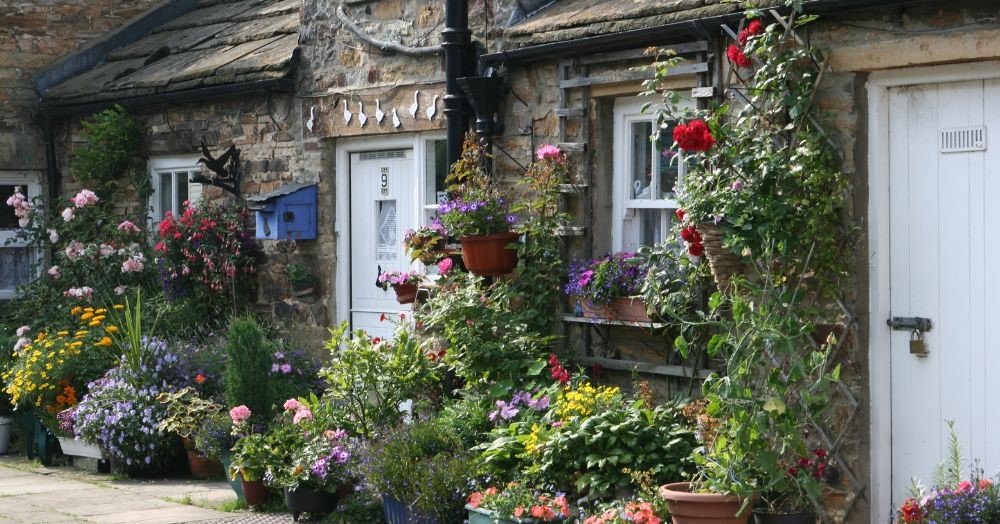
With the introduction of websites like booking.com and AirBnb, there seem to be so many properties available for short-term rental. It used to be reserved for quirky cottages in beautiful rural villages. Bolt holes for people to escape the rat race for a weekend filled with nature walks and fresh air. But now the market is flooded with properties of all shapes and sizes being rented by the night for business, as well as holidays, and properties of all shapes and sizes are made available to rent on a short-term basis.
Given the preference of many travelers for a home-like experience over budget hotels, there's a substantial potential for profit in converting an investment property into a short-term rental. This financial incentive is a key factor for property owners to consider.
But, with such opportunities in this area, you might be surprised to notice that there are lots of property owners deciding to sell up, putting these bolt-holes onto the market. Why is this? And, if you have a short-term rental property in your portfolio, should you be thinking about doing the same thing?
With this rise in short-term rentals and the potential income that can be made, the government have, unsurprisingly, introduced changes to taxes and regulations relating to this kind of property investment. There are alterations to how the income generated from a property of this type is taxed, as well as minimum EPC requirements that may mean your property is no longer compliant. In addition, the running costs and management fees will likely have increased, particularly if you use a booking agent, so there are many elements to consider.
With these changes, you might find that the profits from your holiday property are being squeezed slightly; what else can be done with the property if the numbers no longer stack up?
Rent out to a long-term tenant: There are many reasons that this may not be a suitable option for you. Properties for short-term let are fully furnished and may be small or in rural locations, which may not be ideal for the average tenant who may need to live close to commuting links or need enough space for a family. Also, a fully furnished property will only appeal to a select few prospective tenants, meaning it could be tricky to rent the property on a long-term basis without emptying the contents and selling or storing them. Another key consideration will be the property's condition, which will need to meet rental standards under the HHSRS guidelines, which are not the same for a short-term rental.
Set up a company: To overcome the tax changes, you could set up a limited company and sell the property to that company, which might relieve some undesirable tax changes. However, this option will come with other implications that you should investigate and get professional advice on how this might impact you and your finances.
You could sell the property: This is a reasonably straightforward process, and it may be possible for you to continue with bookings throughout the marketing and sale of the property. Selling up will release the equity held within the property whilst simultaneously removing your costs and work involved in managing a short-term rental property. It will also end the investment, meaning that you will no longer have the income from the property.
As the industry evolves, it's important to consider how these changes align with your personal circumstances and goals. If you feel that the current method of renting out your property no longer serves you, it may be the right time to consider other options.
If you have decided that this is right for you, get in touch with our team of property experts today.